
What to Expect From Rental Management Services
What Should I Expect From Rental Management Services?
Full-service rental management should involve far more than collecting rent and forwarding money to the property owner.
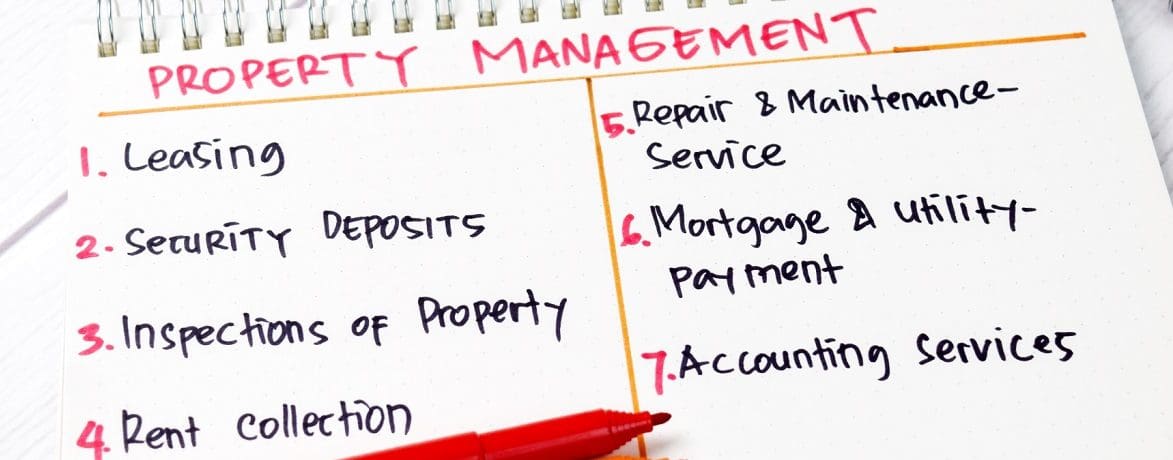
A professional property manager may become the operational center of a long-term rental property—coordinating marketing, showings, applicant screening, leasing, rent collection, maintenance, inspections, tenant communication, renewals, move-outs, documentation, and owner reporting.
But property-management companies do not all provide the same services, and owners should never assume that a particular task is included simply because a company advertises “full-service management.”
The management agreement should clearly define responsibilities, fees, approval limits, communication expectations, and the authority the property manager has to act on the owner's behalf.
What Happens Before Property Management Begins?
A professional management relationship should begin with more than simply handing over the keys.
The manager generally needs to understand the property, the owner's expectations, existing lease obligations if any, maintenance history, insurance information, financial arrangements, and any known issues that could affect management.
Initial information may include:
- Current lease documents
- Tenant information
- Security-deposit records
- Property keys and access information
- Insurance information
- HOA requirements
- Known maintenance issues
- Appliance information
- Existing vendor information
- Owner payment instructions
If the home is vacant, the manager may also need to evaluate whether the property is ready to be offered for rent.
That can involve cleanliness, safety issues, deferred maintenance, landscaping, working appliances, lighting, paint, flooring, and other conditions that affect both marketability and tenancy.
Expect a Rental-Market Evaluation
If the property is vacant or approaching renewal, pricing is one of the first major decisions.
A property manager should generally consider more than an automated rent estimate.
Useful factors can include:
- Comparable available rentals
- Recent leasing activity
- Property condition
- Bedrooms and bathrooms
- Location
- Current rental demand
- Competing inventory
- Pet policy
- Property amenities
- Seasonal market conditions
The goal should not automatically be to advertise the highest rent the owner can imagine.
A professional recommendation should consider both monthly rent and the financial cost of vacancy.
Expect Professional Marketing and Showing Coordination
When the property becomes available, professional management should connect pricing with a defined marketing process.
Depending on the company and property, marketing services may include:
- Listing photography
- Rental description
- Online advertising
- Listing syndication
- Inquiry management
- Showing scheduling
- Applicant instructions
- Listing updates
The National Association of Residential Property Managers notes that professional property managers commonly handle rental listings and can help expose properties to a broader rental audience.
You can learn more about the residential property-management profession from the National Association of Residential Property Managers .
A good manager should also monitor whether the marketing is actually working.
If the property receives very few inquiries, the manager should evaluate whether pricing, presentation, exposure, property condition, or another factor may need attention.
Back to Top ↑Expect a Defined Tenant-Screening Process
Tenant screening should be more organized than an owner simply deciding whether an applicant “seems trustworthy.”
A professional management company should have established application procedures and screening criteria designed to evaluate applicants consistently.
Depending on the company's criteria and applicable law, the process may consider:
- Identity verification
- Income documentation
- Rental history
- Credit information
- Background information where permitted
- Occupancy information
- Pet-related requirements
- Other published qualification standards
No property manager can guarantee that a tenant will always pay on time, follow every lease provision, or care for a property perfectly.
The value of professional screening is using objective information and consistent standards to make a better-informed leasing decision.
Expect Lease Preparation and Move-In Coordination
Once an applicant is approved, the property manager should have a defined process for moving from approval to an executed lease and completed move-in.
That process may include:
- Preparing the lease
- Obtaining signatures
- Collecting required funds
- Providing required notices or disclosures
- Documenting property condition
- Providing keys or access
- Explaining payment procedures
- Explaining maintenance procedures
- Establishing the tenant ledger
Lease terms should not be improvised differently for every tenant without a legitimate reason.
Professional management benefits from having repeatable procedures that can still be adapted when the property or transaction genuinely requires something different.
Back to Top ↑Expect Organized Rent Collection and Account Tracking
Collecting rent may seem like the simplest part of property management until a payment is late, incomplete, reversed, disputed, or simply does not arrive.
Professional management should generally provide an established payment system and maintain records showing tenant charges and payments.
This may involve:
- Online payment options
- Tenant ledgers
- Late-fee administration
- Payment notices
- Returned-payment procedures
- Owner accounting
The manager cannot force a tenant to pay, but should have a consistent process for responding when the lease obligations are not being met.
That professional separation can be valuable for owners who find it difficult to remain objective when a tenant has a compelling personal explanation for late rent.
Expect Maintenance Coordination—But Understand the Approval Process
Maintenance is one of the most important parts of rental management because it affects tenant experience, property condition, expenses, and long-term investment performance.
A property manager may coordinate:
- Routine repair requests
- Emergency maintenance
- Vendor scheduling
- Owner approvals
- Repair follow-up
- Preventive maintenance
- Invoice processing
- Maintenance documentation
NARPM identifies maintenance coordination and professional vendor relationships among the potential advantages of using professional residential management.
However, owners should understand exactly how their management company handles repair authorization.
Ask about:
- Routine repair approval limits
- Emergency authority
- Vendor selection
- Maintenance markups if any
- After-hours procedures
- Owner notification
- Large-project bidding
Expect Some Form of Property-Condition Oversight
Property managers should have a strategy for understanding the condition of the homes they manage.
The exact inspection schedule varies by company, property, lease, occupancy, and circumstances.
Inspections or property-condition visits may be used to identify issues such as:
- Deferred maintenance
- Water damage
- Lease-related concerns
- Exterior deterioration
- Safety concerns
- Unreported repairs
- Upcoming capital needs
Owners should ask whether routine inspections are included in the management fee, billed separately, performed only at certain stages of the tenancy, or available as an optional service.
Property access should also be handled consistently with applicable lease terms and legal requirements.
Back to Top ↑Expect the Manager to Become the Tenant's Primary Contact
One of the largest practical changes after hiring a property manager is that ordinary tenant communication should generally move away from the owner.
The management company may handle communication involving:
- Rent payments
- Maintenance requests
- Lease questions
- Property concerns
- Inspection scheduling
- Renewals
- Move-out procedures
This allows the owner to step away from most day-to-day landlord interactions while still remaining informed about important property matters.
Professional management should not mean that communication disappears.
The tenant should have a reliable method for contacting management, and the owner should have a reliable way to receive appropriate information about significant issues.
Expect Lease-Renewal Recommendations
As the lease approaches expiration, the manager should generally evaluate whether renewal makes sense and whether the rental terms should change.
That evaluation may consider:
- Current market rent
- Tenant payment history
- Property condition
- Current rental demand
- Expected turnover cost
- Owner plans
- Lease changes
The highest possible renewal increase is not always the strongest financial decision.
A reliable tenant at a reasonable rent can sometimes produce better annual results than pushing for a larger increase that creates vacancy, turnover, repairs, marketing costs, and uncertainty.
The owner and manager should evaluate the complete financial picture.
Back to Top ↑Expect an Organized Move-Out Process
Every tenancy eventually ends.
A professional property manager should have a defined process for transitioning the property from an outgoing tenant to the next stage.
That may include:
- Receiving required notice
- Providing move-out instructions
- Recovering possession and keys
- Documenting property condition
- Evaluating tenant-related damage
- Coordinating repairs
- Handling deposit accounting
- Preparing the property for remarketing
The difference between normal wear, owner maintenance, and tenant responsibility can sometimes require judgment and documentation.
The management company should maintain records and follow the procedures applicable to security deposits and the lease.
Expect Financial Reporting and Property Records
Owners should not have to guess where their rental income went.
A professional management system should maintain organized property-level records and provide appropriate owner reporting.
Depending on the management company and software used, reporting may include:
- Rent collected
- Management fees
- Maintenance expenses
- Vendor payments
- Tenant balances
- Owner distributions
- Property income and expenses
- Supporting invoices
Good records also make it easier for the owner and their tax professional to understand what happened financially during the year.
Property managers should provide management records—not automatically replace the owner's CPA, tax adviser, attorney, financial planner, or other specialist.
Back to Top ↑What Should the Property Owner Still Be Responsible For?
Hiring a property manager does not mean the owner disappears from every decision or financial responsibility.
The owner generally remains responsible for owning and funding the property.
Depending on the management agreement, owner responsibilities may include:
- Maintaining adequate insurance
- Funding repairs
- Maintaining required reserves
- Approving major expenditures
- Providing accurate property information
- Making major capital decisions
- Paying property taxes and financing obligations
- Responding to significant management recommendations
A manager can coordinate property operations, but cannot make an underfunded investment property financially healthy by itself.
If a roof needs replacement, an HVAC system fails, or a major plumbing repair becomes necessary, the property still requires owner capital.
Understand the Management Agreement and Fees Before You Sign
The management agreement is one of the most important documents in the relationship because it defines what the manager is authorized and expected to do.
NARPM promotes professional standards in residential property management and emphasizes written agreements, ethics, education, professionalism, and fair-housing practice among its members.
Learn more about NARPM and professional residential property management .
Before signing, understand:
- Monthly management fees
- Leasing or tenant-placement fees
- Renewal fees
- Inspection charges
- Maintenance policies
- Repair authorization limits
- Owner reserve requirements
- Communication procedures
- Contract length
- Termination provisions
- Services included
- Services billed separately
Two companies charging the same monthly percentage may provide very different levels of service.
The owner should compare the complete management structure rather than focusing on one headline fee.
Southern Bay Realty's long-term rental property management services are designed to connect leasing, tenant management, maintenance coordination, owner reporting, and day-to-day oversight within one management system.
Back to Top ↑Frequently Asked Questions About Rental Management Services
What does full-service rental management normally include?
Depending on the management agreement, services may include rental pricing, marketing, showings, applications, tenant screening, leasing, rent collection, maintenance coordination, inspections, tenant communication, renewals, move-outs, documentation, and owner reporting.
Does every property-management company provide the same services?
No. Service models can vary significantly. Owners should review exactly what is included, which services cost extra, and what responsibilities remain with the owner.
Will my property manager choose the tenant?
That depends on the management agreement and screening process. Professional management should use established qualification criteria and clearly define who has authority to approve applicants.
Can I personally approve every tenant?
That depends on the management arrangement, but owners should be cautious about making case-by-case decisions that undermine established screening criteria or create inconsistent applicant treatment.
Does a property manager guarantee that tenants will pay?
No. The manager can maintain payment systems, enforce established procedures, track tenant balances, and respond to late payment, but no manager can guarantee future tenant behavior.
Does a property manager guarantee that my rental will never be vacant?
No. A manager can market the property, recommend pricing, respond to inquiries, coordinate showings, and manage the leasing process, but vacancy is affected by market conditions, pricing, property condition, location, tenant demand, and other factors.
Who pays for repairs?
The owner generally remains responsible for property expenses unless the lease, another party, or another agreement assigns responsibility differently. The manager typically coordinates repairs and processes payment according to the management agreement.
Will the property manager call me before every repair?
Not necessarily. Management agreements commonly establish an authorization limit for routine work and permit appropriate action during emergencies. Owners should understand the repair threshold and communication procedure before signing.
How often should a rental property be inspected?
There is no universal schedule appropriate for every company or property. Inspection frequency can depend on the management agreement, property type, lease terms, occupancy, local requirements, and management strategy.
Will I receive monthly financial statements?
Many professional managers provide regular owner statements through management software or an owner portal. Ask exactly what reports are provided and how supporting invoices and property records can be accessed.
Does a property manager handle security deposits?
Property managers commonly administer deposits when that responsibility is included in the management arrangement. Deposit handling must follow the applicable lease, account procedures, and legal requirements.
Will my property manager handle an eviction if needed?
The manager may administer notices and coordinate the process within the scope permitted by the management agreement and applicable law. Formal court proceedings or legal questions may require involvement from an attorney.
Can a property manager pay my mortgage and utilities?
Some companies may offer bill-payment or additional accounting services, but owners should not assume those functions are part of ordinary rental management. The management agreement should specifically identify any such service.
Does a property manager prepare my tax return?
Ordinary property-management services generally provide property records and financial reporting rather than preparing the owner's income-tax return. Tax preparation and individualized tax advice should be provided by appropriately qualified tax professionals.
Can I cancel property management if I am unhappy?
Usually according to the termination provisions in the management agreement. Review notice periods, termination fees if any, tenant communication, security-deposit records, management documents, and transition procedures before signing.
What is the most important thing to ask before hiring a manager?
Ask the company to explain exactly what happens from the moment you sign the management agreement through marketing, leasing, occupancy, maintenance, renewal, move-out, and eventual termination of management. A good company should be able to explain the entire process clearly.
Back to Top ↑Final Thoughts: Good Rental Management Should Be Predictable
Property management becomes most valuable when the owner does not have to reinvent the process every time something happens.
There should be a system for marketing.
A system for screening.
A system for rent collection.
A system for maintenance.
A system for communication, inspections, renewals, move-outs, documentation, and owner reporting.
NARPM describes residential property management as a specialized profession dealing with the unique challenges of managing single-family and small residential properties and emphasizes professional education, ethics, communication, and fair-housing practice.
Southern Bay Realty provides long-term rental management throughout Mobile and Baldwin County, helping owners with rental pricing, marketing, tenant placement, leasing, rent collection, maintenance coordination, property oversight, owner reporting, and day-to-day tenant management.
Owners considering professional management should understand exactly what services they are receiving, what decisions remain theirs, and how the management relationship will work before entrusting someone with the property.
Back to Top ↑Looking for Professional Rental Management?
Southern Bay Realty can help you evaluate your rental, establish a professional leasing and management process, and handle the day-to-day responsibilities of long-term rental ownership throughout Mobile and Baldwin County.
Explore Property Management